MedDust 2023
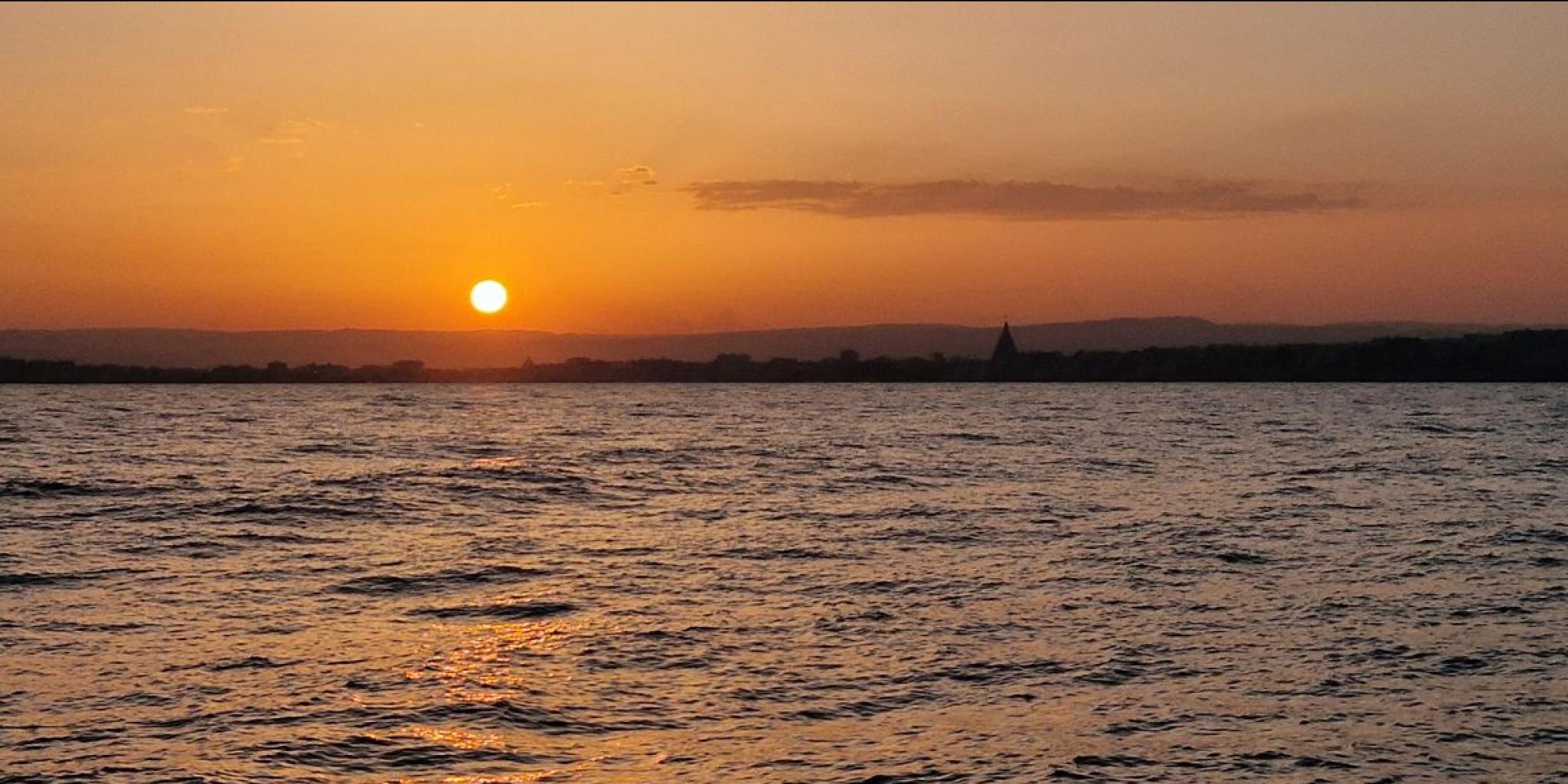
Een stoffige zonsondergang boven Sicilië
Van 9 tot 12 oktober gingen twee NIOZ-collega's aan boord van de Italiaanse sleepboot Lione om de sedimentval in de Middellandse Zee op te halen, onderhoud te plegen en opnieuw te plaatsen. Deze sedimentval maakt deel uit van een unieke tijdreeks - een serie van metingen van vele jaren - van Saharastofverzameling sinds het einde van de jaren tachtig.
De tijdreeks is gestart door prof. dr. Gert de Lange (Universiteit Utrecht), die vooral geïnteresseerd was in de uitzonderlijke geochemie van zogenaamde pekelbekkens, die zich voornamelijk in het Libische deel van de Middellandse Zee bevinden. Daarnaast hebben deze sedimentvallen ook afzettingen van Saharastof verzameld. De onschatbare tijdreeks (> 30 jaar aan monsters, die nog moeten worden omgezet in gegevens) wordt nu bestudeerd in het project: “Ontrafeling van seizoensgebonden, door stof veroorzaakte productiviteitsveranderingen in de Middellandse Zee” en de tijdreeks van de sedimentval tussen de eilanden Sicilië (Italië) en Kreta (Griekenland) wordt voortgezet met zogenaamde ‘schepen van gelegenheid’. In deze blog kunt u lezen hoe we de sedimentval hebben geborgen, onderhouden en opnieuw hebben ingezet vanaf de sleepboot Lione, die vanuit de haven van Augusta op Sicilië voer.
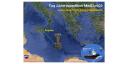
Een zeekaart met de route van de expeditie MedDust23
De sleepboot Lione wordt voornamelijk ingezet in Italiaanse wateren, waar hij grotere schepen helpt bij het manoeuvreren in havens en grote fenders aflevert om schepen en kades te beschermen. Daarnaast is de bemanning getraind en zeer bekwaam op het gebied van milieubescherming, met name het opruimen van olielekkages. Wetenschappelijk werk is natuurlijk nieuw voor de bemanning en we leggen graag uit waar onze apparatuur voor dient en waarom we dit onderzoek doen. Het is geen groot schip, maar wel erg gezellig! We delen met z'n vieren een hut.
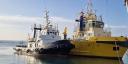
Sleepboot Lione in de haven van Augusta, Sicilië, Italië
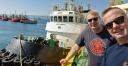
Sleepboot Lione: voor een paar dagen 'thuis' voor Leon en Jan-Berend
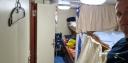
Een blik in de knusse en goed gekoelde kajuit voor 4 personen
We verlaten de haven van Augusta onder mooie, rustige omstandigheden; de buitenkade van de haven houdt de deining en golven buiten.
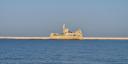
De buitenmuur van Port Augusta, inclusief de middeleeuwse bouwwerken die bedoeld waren om bezoekers te verwelkomen.
Zelfs buiten de havenmuur is er nauwelijks wind en slechts een beetje deining. Alleen omdat het schip relatief laag is, komen de golven toch nog op het dek terecht.
Cookies required
Analytics and Marketing cookies are required to display this content.
Watch video in a new tabTerwijl we wegvaren uit Augusta, worden we getrakteerd op een prachtige, stoffige zonsondergang boven Sicilië.
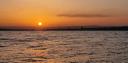
Zonsondergang boven Sicilië: wordt de rode lucht veroorzaakt door stof uit de Sahara?
Op weg naar de plek waar de sedimentval is verankerd, in de zuidoostelijke hoek van de Italiaanse EEZ (exclusive economic zone) tussen de eilanden Sicilië (Italië) en Kreta (Griekenland), bereiden we ons voor op het ophalen en opnieuw uitzetten ervan. Er moeten nieuwe flessen worden voorbereid met verdicht en schoon zeewater en enkele reserveonderdelen van de verankering (zoals het bovenste driehoekige frame aan de voorkant van deze foto) zullen worden vervangen. Ook brengen we een nieuw satellietbaken aan.
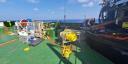
Onze apparatuur en materialen op het dek van de sleepboot Lione; we bereiden ons voor op het ophalen en weer uitzetten van de verankeringen.
Het spannendste moment bij het ophalen van een boei is altijd: komt deze omhoog als we het "release"-commando geven? Gelukkig werkt de communicatie met de boeien uitstekend en al snel zien we de afstandsmeter teruglopen, wat betekent dat de boei op weg is naar het zeeoppervlak!
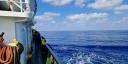
Bij rustige omstandigheden zoals deze zijn de drijvers van de verankeringen gemakkelijk te zien.
Met zulke rustige omstandigheden en het uitstekende manoeuvreren van de officieren op de brug verloopt het werk echt vlot! Binnen een half uur nadat het release-commando was gegeven, kwam de verankering boven water en konden we haar snel met de dekkraan ophalen.
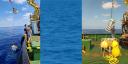
Het heldere water laat de sedimentval goed zien, die soepel en veilig aan boord wordt gehesen.
Hier zie je de onderste carrousel van de sedimentval met de flessen die materiaal bevatten. Elke fles is gedurende 10 dagen onder de trechter geplaatst om al het materiaal op te vangen dat naar de zeebodem zakt. Dat materiaal bestaat uit stofdeeltjes, organisch materiaal geproduceerd door plankton in het oppervlaktewater en fossiele resten van fytoplankton.
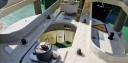
Close-up van de sedimentcarrousel met de flessen die materiaal bevatten dat gedurende een periode van 10 dagen is verzameld.
De sleepboot heeft een behoorlijk indrukwekkende lier om de armdikke kabels op te rollen waarmee grote schepen kunnen worden voortgetrokken. Maar met de dyneema-lijn die we gebruiken voor het afmeren, en bij zo'n rustige zee, kan het oprollen met de hand worden gedaan.
Cookies required
Analytics and Marketing cookies are required to display this content.
Watch video in a new tabNa het vervangen van alle flessen van de sedimentval en alle elektronica die de carrousels aanstuurt, en het controleren van alle bewegende onderdelen en drijvers, is de verankering klaar om weer een jaar lang sediment te verzamelen. De zee is zo ongelooflijk kalm dat we haar heel gemakkelijk kunnen uitzetten.
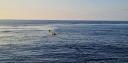
Door de verbazingwekkend rustige zee kunnen we de bovenste drijvers van de verankering kilometers ver zien liggen.
De bemanning van de Lione is erg behulpzaam en geniet duidelijk van deze wetenschappelijke missie. Hier zie je Pepe, Salvatore, Antonio en Valentino van AB, hoofdingenieur Hugo en bootsman Pepe, die heel goed voor ons hebben gezorgd: grazie mille!
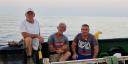
De crew van de sleepboot Lione
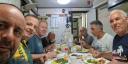
Laat het maar aan de Italianen over om ons te verwennen met heerlijk eten!
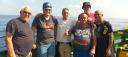
Deze groepsfoto is nog een teken van de uitstekende sfeer aan boord van Tug Lione.